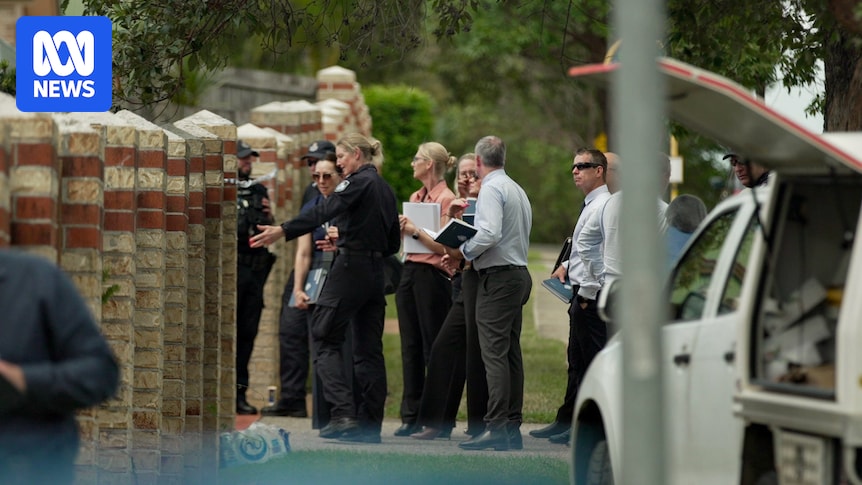
Ethical Standards Investigate Deadly Brisbane Police Shooting
A tragic incident has once again brought the critical issue of police use of force into sharp focus in Queensland. On Brisbane's bayside, a man was shot dead by police, with officers reporting that he advanced towards them armed with a knife. This devastating event has immediately triggered a comprehensive investigation by the Queensland Police Service's Ethical Standards Command, a crucial step in ensuring transparency and accountability in such grave circumstances. The death of a man in a police shooting is always a profound concern, and the ongoing inquiry will meticulously examine every facet of the confrontation that led to this fatal outcome for the man shot dead by police in Brisbane.
The Brisbane Bayside Incident: A Tragic Confrontation Unfolds
Details surrounding the Brisbane bayside shooting are still emerging, but the core facts are stark: a life was lost during an interaction with law enforcement. According to initial police accounts, officers were confronted by a man allegedly wielding a knife. The situation escalated rapidly, culminating in the use of lethal force. These types of encounters are inherently volatile and demand split-second decision-making from officers, often under immense pressure. The immediate aftermath of such an event is a scene of intense activity, involving forensic examination, witness interviews, and the deployment of specialist investigative units. The community, understandably, seeks answers and assurance that all protocols were followed, and that the circumstances leading to the police shoot man with knife in Brisbane bayside incident are thoroughly understood.
While the specifics of this Brisbane incident are unique, deadly confrontations between police and individuals perceived as threats are not isolated events. For instance, a separate incident in Sydney's Potts Point saw a man shot dead by police after allegedly assaulting two women and threatening officers with a weapon. In that case, police deployed a Taser, which proved ineffective before lethal force was used. Both scenarios highlight the extreme danger officers face and the severe consequences when de-escalation attempts fail. The Ethical Standards Command's task in Brisbane is to piece together the sequence of events, analyze the threat perceived by officers, and determine if the response was justified and in line with training and policy.
The Critical Role of Ethical Standards Command in Police Shootings
When a police officer discharges their firearm and a life is lost, the investigation by the Ethical Standards Command (ESC) is paramount. The ESC operates independently of regular police operations, specifically tasked with investigating serious incidents involving police conduct, particularly the use of lethal force. Their mandate is not merely to determine fault but to establish the facts, ensure accountability, and uphold public confidence in the police service. This process is exhaustive and aims for complete transparency.
The ESC's investigation typically involves:
- Scene Preservation and Forensic Analysis: Meticulous collection of physical evidence, including weapons, shell casings, and any other relevant items.
- Witness Interviews: Gathering statements from all officers involved, civilian witnesses, and any other relevant parties. Officers directly involved are typically stood down from frontline duties during this period.
- Body-Worn Camera Footage Review: A critical piece of evidence, body-worn cameras provide an objective perspective of the incident, capturing real-time interactions and the unfolding events.
- Training and Policy Review: Examining the training received by the officers involved and the policies governing the use of force to determine if they were adhered to.
- Psychological Assessments: Considering the psychological state of both the officers and the deceased, where relevant and discernible.
This multi-faceted approach ensures that all angles are explored, and no stone is left unturned. In jurisdictions like New South Wales, such critical incident investigations are also subject to independent review by bodies like the Law Enforcement Conduct Commission (LECC), adding another layer of oversight. While the specific structures might vary slightly, the underlying principle remains the same across Australia: serious incidents involving police must be subject to rigorous, impartial scrutiny to safeguard community trust.
Understanding Police Use of Force Protocols
Police officers are empowered to use force, including lethal force, under specific legal and operational frameworks. These protocols are designed to ensure that force is only used when necessary, proportionate to the threat, and as a last resort. Key principles include:
- Necessity: Force must be necessary to prevent harm, effect an arrest, or defend oneself or others.
- Proportionality: The level of force used must be proportionate to the threat or resistance encountered.
- De-escalation: Officers are trained to use verbal commands and tactical positioning to de-escalate situations whenever possible, seeking to resolve conflicts without resorting to force.
- Continuum of Force: Police training often follows a "continuum of force," outlining a range of options from verbal commands to physical restraint, non-lethal weapons (like Tasers), and ultimately, firearms. The aim is to use the minimum level of force required to achieve a lawful objective.
The decision to use lethal force is one of the most profound and stressful an officer can make, often in a matter of seconds. Factors like the distance to a threat, the type of weapon involved, and the presence of bystanders all play a crucial role in an officer's assessment. These complex considerations are at the heart of any Ethical Standards investigation.
Broader Implications: Police Training, Public Trust, and Mental Health
Beyond the immediate tragedy, incidents like the man shot Brisbane bayside shooting carry broader implications for law enforcement and the community. They inevitably spark public discussion about police training, the mental health support available to both officers and the public, and the vital importance of maintaining public trust.
Police Training Evolution: Each critical incident serves as a grim case study that informs and refines police training. Lessons learned from these events often lead to updates in de-escalation techniques, tactical responses to armed individuals, and strategies for interacting with people experiencing mental health crises. The goal is to equip officers with the best possible tools and decision-making frameworks to navigate highly volatile situations with the least amount of force necessary.
Sustaining Public Trust: The Ethical Standards Command's thoroughness is critical to maintaining public trust. When tragic events occur, the community relies on an impartial and transparent investigation to provide answers and assure them that justice will be served. Any perceived lack of transparency or accountability can erode this trust, making effective policing more challenging. Open communication about the investigative process, while respecting privacy and legal constraints, is key.
Mental Health Considerations: These incidents frequently highlight the intersection of policing and mental health. Individuals involved in confrontations with police may themselves be experiencing acute psychological distress. Similarly, the officers involved often endure significant trauma. Assistant Commissioner Peter McKenna, speaking after the Sydney shooting, acknowledged the trauma experienced by his officers, even when they return home safe. Society's approach to mental health, and how police are trained to respond to individuals in crisis, are ongoing areas of focus and reform.
Investigating the man shot Brisbane incident will undoubtedly contribute to these ongoing conversations, prompting reflection on how best to prevent similar tragedies and ensure the safety and well-being of all members of the community.
What Happens Next? The Investigation Process and Its Aftermath
The Ethical Standards Command's investigation into the Brisbane bayside shooting is just the beginning of a long and detailed process. While immediate facts are gathered, a comprehensive inquiry can take months, sometimes even longer, due to the meticulous nature of evidence collection, analysis, and legal reviews. The process is designed to be thorough, not swift, ensuring that no detail is overlooked.
Once the ESC completes its investigation, a report is typically prepared. This report will outline the findings and may make recommendations regarding police procedures, training, or disciplinary action if warranted. In most Australian jurisdictions, any death involving police is also subject to a Coroner's Inquest. The Coroner's role is to officially determine the cause and manner of death and may make recommendations aimed at preventing similar incidents in the future. The Coroner's Inquest is a public process, further ensuring transparency and providing an additional layer of scrutiny.
Potential outcomes range from the use of force being deemed justified, leading to no further action against the officers, to recommendations for changes in policy or training, or even, in rare cases, disciplinary action or criminal charges. It's important for the public to understand that these processes are complex and designed to balance the severe consequences of a loss of life with the inherent dangers and responsibilities of policing. The goal is always to seek truth, ensure accountability, and learn valuable lessons.
The tragic death of the man shot Brisbane bayside will continue to be a subject of intense scrutiny and public interest. The Ethical Standards Command's investigation is a vital mechanism to ensure that the facts are uncovered, accountability is upheld, and public confidence in the Queensland Police Service is maintained. As the inquiry progresses, the community will await its findings, hoping for clarity and the assurance that such profound events lead to meaningful reflection and, where necessary, reform.